Source Lightweight Breathable Badminton Shoes for Tennis and Volleyball
Explore 30 options for lightweight breathable badminton shoes designed for indoor court performance. Compare features like synthetic leather uppers, rubber outsoles, and EVA midsoles from Chinese manufacturers. Evaluate customization services, MOQs, and shipping times to find the right supplier for your sports footwear needs.
Key considerations
Products List
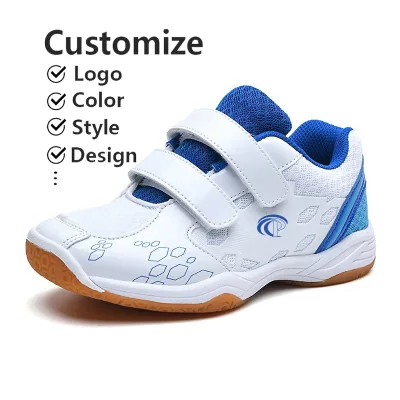
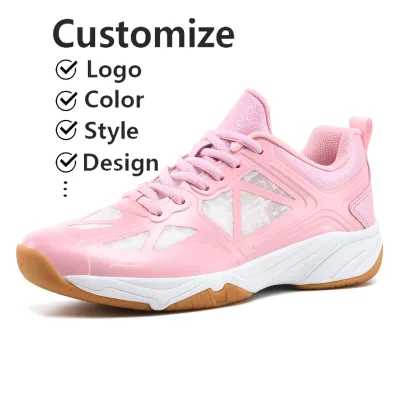


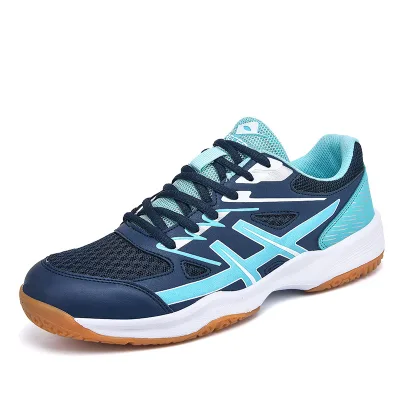


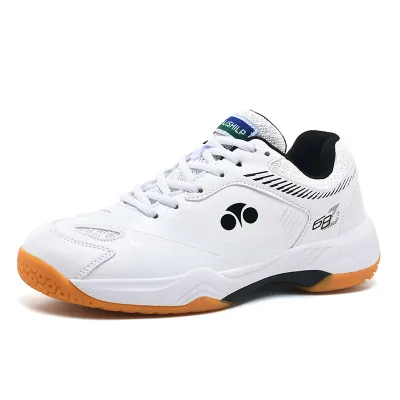

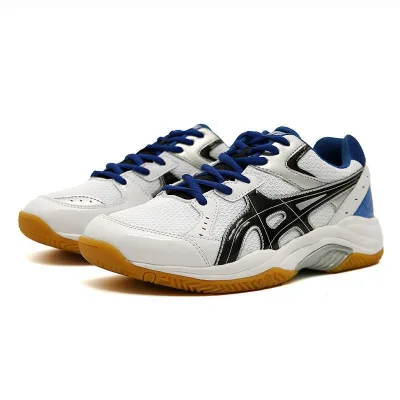
Comprehensive Sourcing Guide
Lightweight Breathable Badminton Shoes Sourcing Guide
Procuring lightweight breathable badminton shoes requires balancing performance needs with supply chain realities observed in current listings. Buyers must recognize that while some products feature mesh linings for airflow, others utilize cotton fabric or synthetic leather, directly impacting ventilation and durability. The observed market includes models designed for winter and summer use, suggesting that material selection is critical for adapting to specific climate conditions during play.
Sourcing decisions should also account for the diverse sizing and customization options available from manufacturers. Listings indicate a wide range of shoe sizes, from 30 to 47, alongside custom branding services that allow for unique product identity. However, the variation in minimum order quantities, ranging from a single pair to 1,200 pairs, necessitates a clear strategy for inventory management and initial capital allocation before engaging with potential suppliers.
Product Scope and Observed Listing Signals
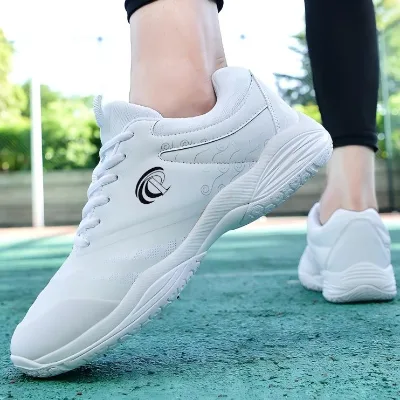
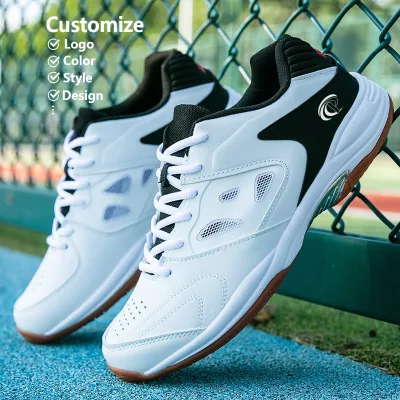
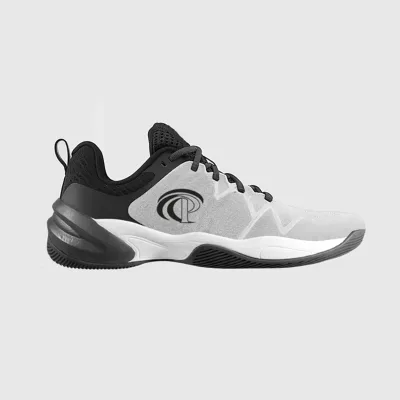
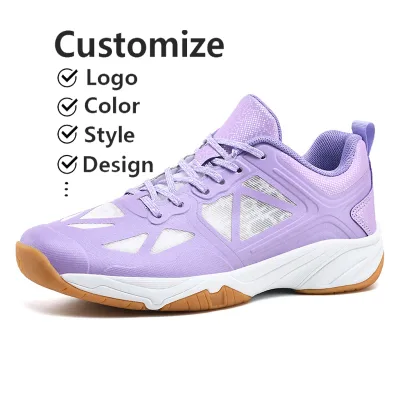
The current market for badminton footwear presents a spectrum of designs, from wear-resistant sports models to cushioning seamless upper designs. Buyers will encounter products with specific model numbers like YMQ-L05 and YMQ-208, each offering distinct features such as rubber outsoles or non-marking capabilities suitable for indoor courts. These signals indicate that suppliers are targeting various segments, including tennis and volleyball players, which expands the potential application scope beyond standard badminton use.
Observations of product attributes reveal significant variation in packaging and weight, with single gross weights ranging from 1.0 kg to 1.5 kg per unit. This variance suggests differences in material density and construction quality that buyers must evaluate against their specific performance requirements. Additionally, the presence of multiple color options and custom branding services highlights a market focused on flexibility, allowing purchasers to tailor products to their brand identity or specific team requirements.
Technical Specifications to Verify
Verifying the upper material composition is essential for ensuring the desired balance between breathability and structural integrity. While some listings specify synthetic leather for durability, others highlight mesh linings for enhanced airflow, and a few mention cotton fabric for comfort. Buyers should confirm the exact material blend to ensure the shoes meet the thermal regulation needs of their athletes, as the wrong choice could lead to discomfort or premature wear during intense matches.
The outsole and midsole specifications are equally critical for court performance and player safety. Most observed products utilize rubber outsoles, which are standard for providing necessary grip and non-marking properties on indoor surfaces. The midsole material is frequently identified as EVA, offering cushioning that absorbs impact. Procurement teams must verify that these specifications align with the specific court surface conditions and the intensity of play to prevent injuries and ensure optimal traction.
Compliance and Safety Documentation
Ensuring that footwear meets international safety standards is a fundamental step in the procurement process, particularly for sports equipment used in competitive environments. While specific certification documents are not explicitly detailed in the provided listings, buyers must request proof of compliance with relevant safety regulations for rubber and synthetic materials. This verification ensures that the shoes do not contain harmful substances and meet the durability expectations required for professional or semi-professional athletic use.
Documentation regarding the manufacturing process and material safety should be obtained before finalizing any order. Suppliers offering OEM and ODM services should be able to provide detailed material safety data sheets and production quality reports. Buyers need to confirm that the rubber and synthetic leather components used in the upper and outsole meet environmental and safety standards, protecting both the end-user and the brand from potential liability issues related to product safety.
Cost Drivers and Commercial Terms
The commercial landscape for these shoes is influenced by significant variations in minimum order quantities and payment structures. Listings show MOQs ranging from a single pair to 1,200 pairs, which directly impacts the unit cost and the financial risk for the buyer. Understanding these thresholds is crucial for negotiating favorable terms, as smaller orders may carry higher per-unit costs, while larger volumes might offer economies of scale but require greater upfront capital commitment.
Payment terms and shipping logistics also play a pivotal role in the total cost of ownership. Common payment methods include PayPal, Western Union, TT, and Trade Assurance, offering varying levels of security for both parties. Shipping times are observed to range from 7-15 days via express delivery to 30-45 days by sea, which affects inventory planning and cash flow. Buyers must factor in these lead times and payment conditions when calculating the overall budget and ensuring timely delivery for their sales cycles.
Supplier Qualification and Quality Control
Evaluating supplier capabilities requires a deep dive into their production capacity and service offerings. Many manufacturers claim a production capacity of 100,000 pairs per month, indicating a robust ability to handle large orders. However, buyers should verify this capacity against their specific timeline needs, as production times can vary from 30 to 45 days depending on the order size and customization level. Confirming the supplier's ability to meet these deadlines is essential for maintaining supply chain reliability.
Quality control measures should be rigorously assessed through sample evaluation and factory audits. The availability of sample times ranging from 7 to 15 days allows buyers to physically inspect the product for build quality, stitching integrity, and material consistency. It is advisable to request samples of different models to compare the performance of mesh versus cotton linings and synthetic leather uppers. This hands-on verification ensures that the final bulk order meets the expected standards for comfort, durability, and aesthetic appeal.
Long-Term Procurement Checks
Establishing a sustainable partnership involves monitoring the supplier's ability to maintain consistent quality over time. Buyers should implement a system for regular quality checks on incoming shipments to detect any deviations in material quality or construction standards. Given the variation in observed product attributes, such as different lining materials and sole compositions, consistent quality control is vital to ensure that every batch meets the original specifications agreed upon during the sampling phase.
Future procurement strategies should also consider the flexibility of the supplier to adapt to changing market demands. The ability to offer minor customization, OEM, and ODM services suggests that suppliers can evolve with the buyer's brand needs. However, buyers must maintain open communication channels to ensure that any changes in design or material sourcing are clearly documented and approved. This proactive approach helps mitigate risks associated with supply chain disruptions and ensures long-term product consistency.
FAQs
What materials are used in these badminton shoes?
The shoes feature synthetic leather uppers and rubber outsoles for durability. The lining is made of mesh or cotton fabric to enhance breathability. An EVA midsole provides cushioning and comfort during play. These material choices ensure the footwear is lightweight and suitable for various sports activities.
Can I customize the brand and design of the shoes?
Yes, the supplier offers OEM and ODM services for minor customization. Buyers can request custom branding and specific design modifications. This service allows businesses to tailor the products to their market needs. The model numbers vary, indicating flexibility in product selection for different branding requirements.
What is the minimum order quantity for these shoes?
The minimum order quantity varies by product model. Some models require an MOQ of 1200 pairs, while others allow orders as low as one pair. Another model has an MOQ of 400 pairs. Buyers should check the specific model requirements to determine the applicable minimum order quantity for their purchase.
How long does production and shipping take?
Production time typically ranges from 30 to 45 days. Sample preparation takes 7 to 15 days. Shipping by express takes 7 to 15 days, while sea freight takes 30 to 45 days. The production capacity is 100,000 pairs per month, ensuring steady supply for bulk orders.
What payment terms are accepted for these orders?
Accepted payment methods include PayPal, Western Union, TT, and Trade Assurance. These options provide flexibility for international transactions. Buyers can choose the method that best suits their financial processes. Trade Assurance offers additional security for the transaction, ensuring a safe purchasing experience for both parties.
Which sports are these shoes suitable for?
These shoes are designed for badminton, tennis, table tennis, and volleyball. The non-marking rubber outsoles make them suitable for indoor courts. The cushioning and support features cater to the specific movements required in these sports. They are versatile enough for various athletic activities requiring lateral stability.